Search
图片展示

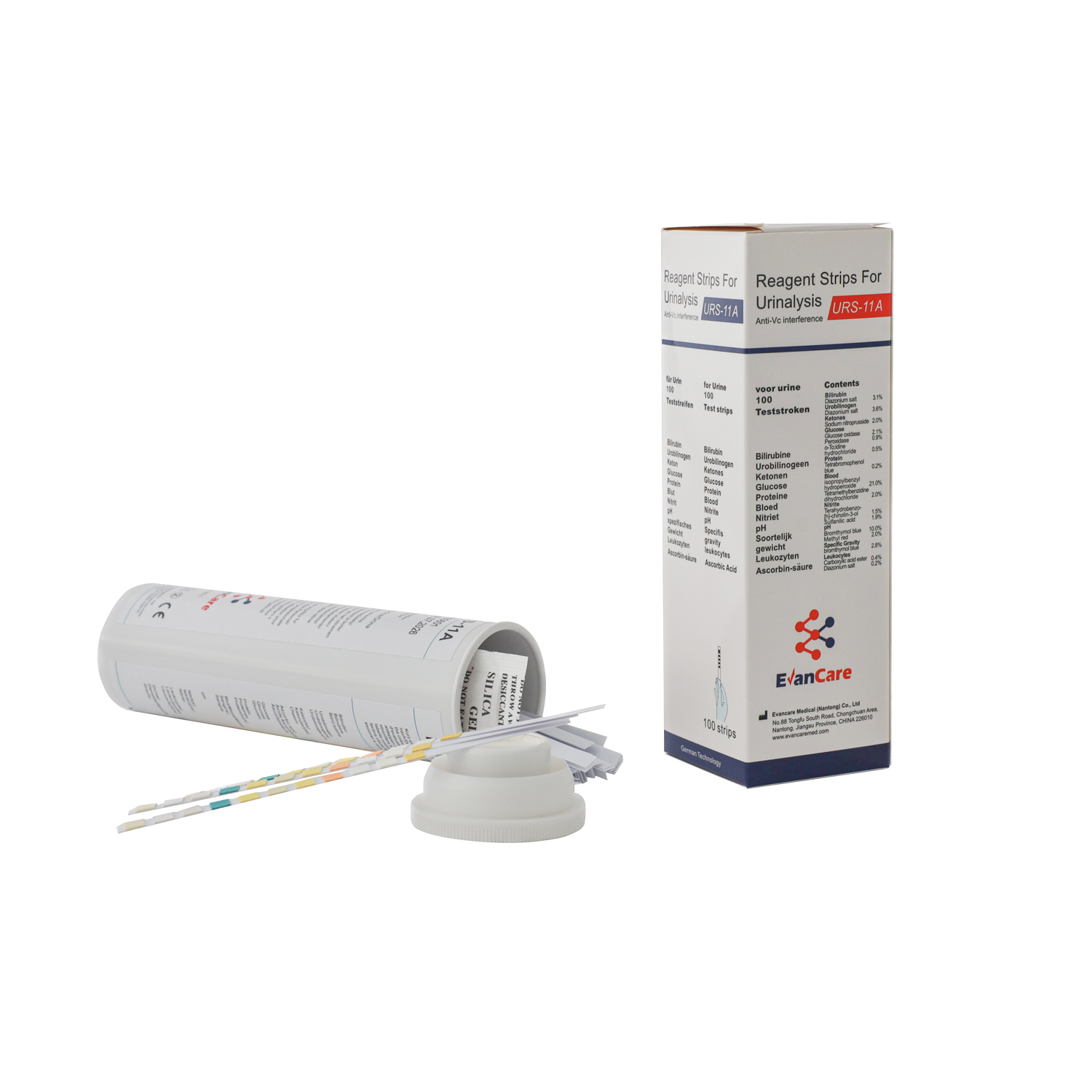
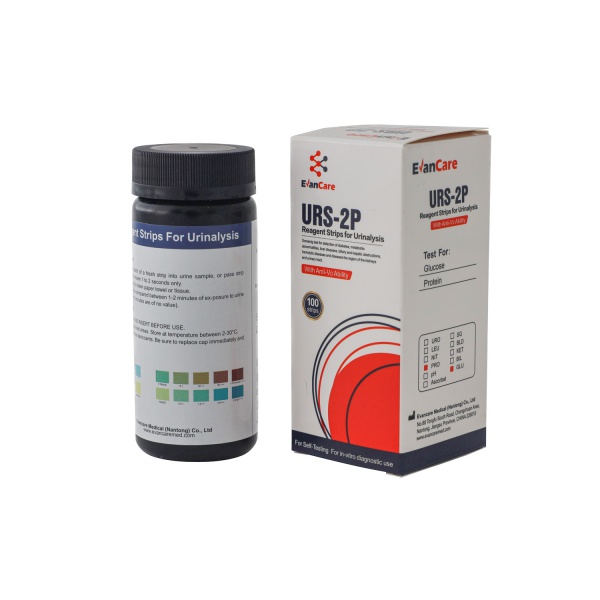
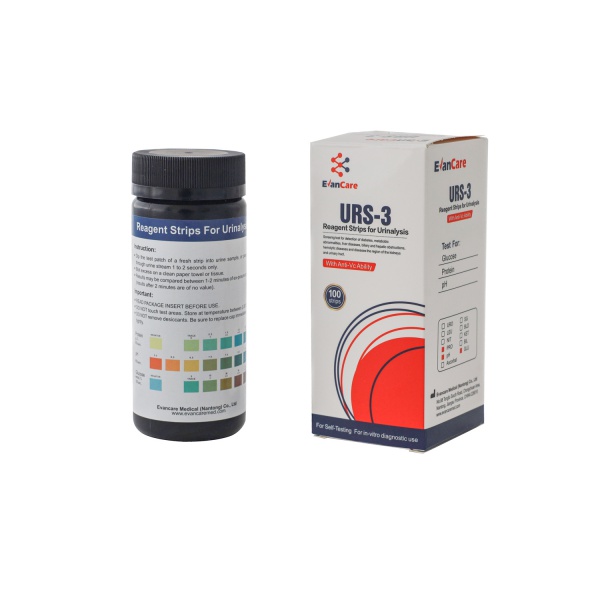
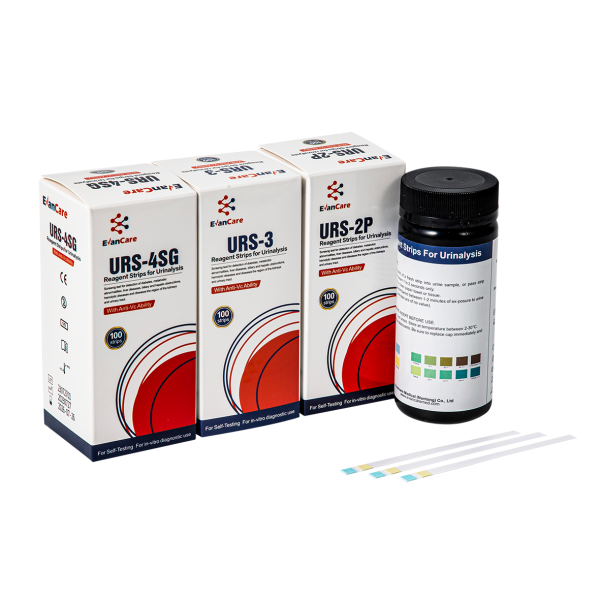
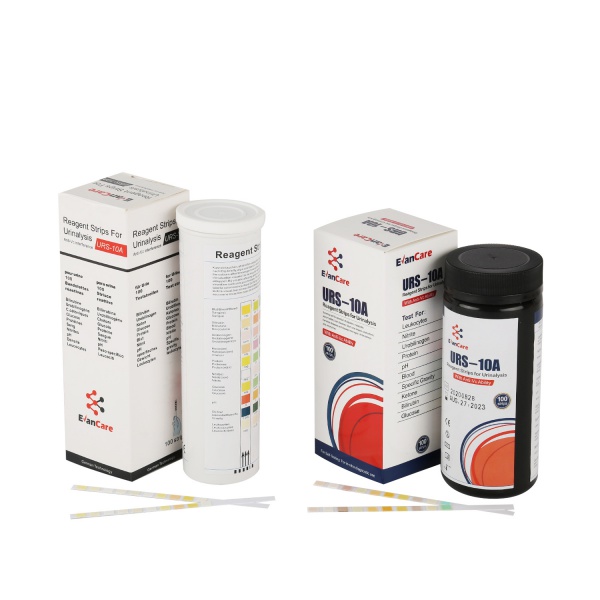
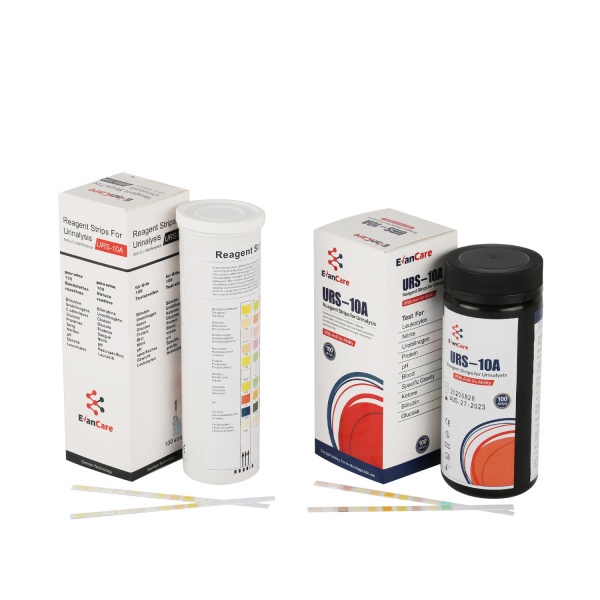
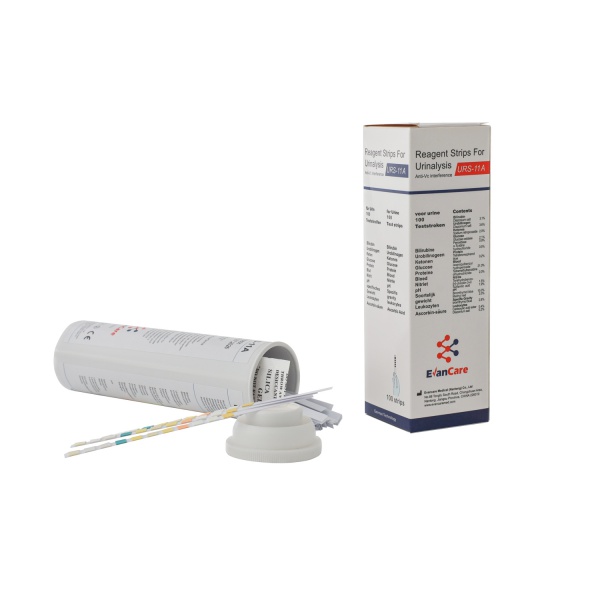
EVANCARE URS-11 (URO/BLD/KET/GLU/PRO/pH/BIL/NIT/SG/LEU/VC) Urine Analysis Test Strips (Urine)

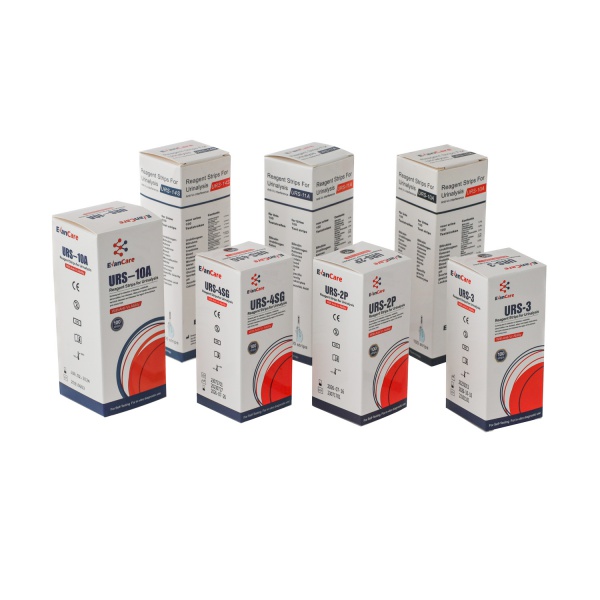
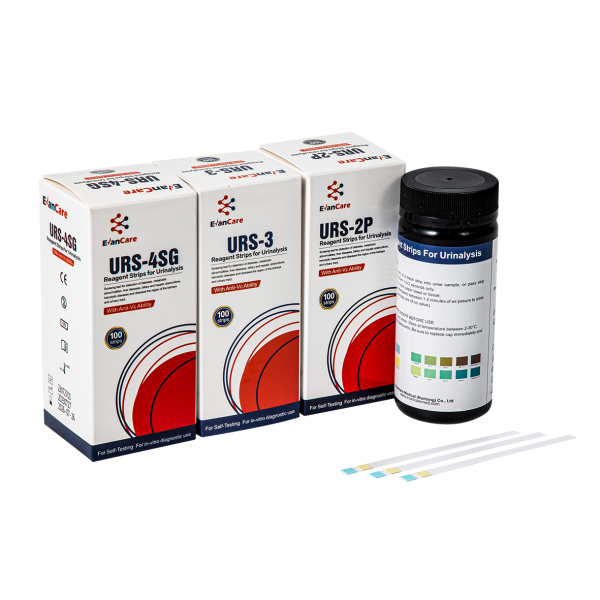
EVANCARE URS-11 (URO/BLD/KET/GLU/PRO/pH/BIL/NIT/SG/LEU/VC ) ,this Package Insert to be used with Reagent Strips for Urinalysis (from 1 parameter to 11 parameters). For the semi-quantitative and qualitative detection of Glucose, Bilirubin, Ketone, Specific Gravity, Blood, pH, Protein, Urobilinogen, Nitrite,Creatinine, Microalbumin, Calcium, Leukocytes and Ascorbic Acid in urine.

EVANCARE URS-11 (URO/BLD/KET/GLU/PRO/pH/BIL/NIT/SG/LEU/VC) Urine Analysis Test Strips (Urine)

Select the number of specifications

Please check the product information you want!

Product Detail

EVANCARE URS-11A Urine Analysis Test Strips Specification
Catalog No.EC-URS-11 1001FormatStrip
SpecimenUrineTest/Box50/100
Reading Time30-60 SecondsShelf Life3 Years
Storage Temperature4-30°CSpecificity>99.9%
Sensitivity>99.9%Composition

Individually packed test device,

Package insert

Accuracy>99.9%Feature 1High Accuracy
Feature 2High SensitivityFeature 3Clear Results
Feature 4Easy To ReadFeature 5Easy To Use
Feature 6OEM/ODM AvailableFeature 7Quality Guarantee
EVANCARE URS-11A Urine Analysis Test Strips Test Procedure


1. Remove strip from the pouch for immediate use.

2. Completely immerse reagent areas of the strip in fresh urine. Remove the strip immediately to avoid dissolving out the reagent areas.

3. While removing, touch the side of the strip against the rim of the urine container to remove excess urine. Blot the lengthwise edge of the strip on an absorbent paper towel to further remove excess urine and avoid running over (contamination from adjacent reagent pads.)

4. Compare each reagent area to its corresponding color blocks on the color chart and read at the times specified. Proper read time is critical for optimal results.

5. Obtain results by direct color chart comparison.


ASCORBIC ACID:Intend to measure the level of ascorbic acid(Vitamin C) in urine. Ascorbic Acid in higherquantities may cause interferences especially with the glucose test. The detections is based on the the decolorationof Tillmans reagent. 

GLUCOSE: The test is specific for glucose. No substance excreted in urine other than glucose is known to give apositive result. In dilute urines containing less than 0.28 mmol/L ascorbic acid, as little as 2.2mmol/L glucose mayproduce a color change that might be interpreted as positive. 

MICROALBUMIN: Testing albumin in urine is one of urine routine tests in clinic. This test is based on dye bindingusing a high affinity sulfonephthalein dye. At a constant pH, the development of any blue color is due to thepresence of albumin. As little as 80 mg/L albumin in urine may produce a color change. The resulting color rangesfrom pale green to blue.

BILIRUBIN: Normally no bilirubin is detectable in urine by even the most sensitive methods. Even trace amounts ofbilirubin are sufficiently abnormal to require further investigation. Atypical colors may indicate bile pigmentabnormalities and the urine specimens should be tested further(e.g. ICTOTESTTM Reagent Tablets). 

pH: The pH test area measures pH values generally to within 1 unit in the range of 5-8.5 visually and 5-9instrumentally. 

SPECIFIC GRAVITY: The specific gravity test permits determination of urine specific gravity between 1.000 and1.030. In general, it correlates within 0.005 with values obtained with the refractive index method. 

KETONE: The test reacts with acetoacetic acid in urine. It does not react with acetone or B-hydroxbutyric acid.Some high specific gravity or low pH urines may give reactions up to and including Trace. Normal urine specimensusually yield negative results with this reagent. False positive results (trace or less) may occur with highlypigmented urine specimens or those containing large amounts or levodopa metabolites. 

PROTEIN: The reagent area is more sensitive to albumin than to globulins, haemoglobin, Bence-Jones Protein andmucoprotein, a 'Negative' result does not rule out the presence of these other protein. Normally no protein isdetectable in urine by conventional methods, although a minute amount is excreted by the normal kidney.

NITRITE: This test depends upon the conversion of nitrate (derived from the diet) to nitrite by the action ofprincipally Gram negative bacteria in the urine. The test is specific for nitrite and will not react with any othersubstance normally excreted in urine. Pink spots or pink edges should not be interpreted as a positive result. Any degree of uniform pink color development should be interpreted as a positive nitrite test suggesting the presence of10 or more organisms per mL, but color development is not proportional to the number of bacteria present. 

UROBILINOGEN: This test area will detect urobilinogen in concentrations as low as 3 μmol/L (approximately 0.2Ehrlich unit/dL) in urine. The normal range with this test is 3-16 μmol/L. A result of 33 μmol/L represents thetransition from normal to abnormal, and the patient and/or urine specimen should be evaluated further. 

CREATININE: In alkaline condition, creatinine reacts with 3,5-Dinitrobenoic acid. The resulting color ranges frompale yellow to purple. 

BLOOD: The significance of the 'Trace' reaction may vary among patients, and clinical judgment is required forassessment in an individual case. Development of green spots (intact erythrocytes) or green color (freehaemoglobin / myoglobin) on the reagent area within 60 seconds indicates the need for further investigation. 

CALCIUM: The calcium in urine reacts with derivatized thymol phthalein. The resulting color ranges from pale purple to dark purple. 

SPECIFIC PERFORMANCE CHARACTERISTICS: Specific performance characteristics are based on clinical andanalytical studies. In clinical specimens, the sensitivity depends upon several factors: the variability of colorperception, the presence or absence of inhibitory. Factors typically found in urine, specific gravity, pH and thelighting conditions when the product is read visually.


No comment

Product Detail
EVANCARE URS-11A Urine Analysis Test Strips Specification
Catalog No.EC-URS-11 1001FormatStrip
SpecimenUrineTest/Box50/100
Reading Time30-60 SecondsShelf Life3 Years
Storage Temperature4-30°CSpecificity>99.9%
Sensitivity>99.9%Composition

Individually packed test device,

Package insert

Accuracy>99.9%Feature 1High Accuracy
Feature 2High SensitivityFeature 3Clear Results
Feature 4Easy To ReadFeature 5Easy To Use
Feature 6OEM/ODM AvailableFeature 7Quality Guarantee
EVANCARE URS-11A Urine Analysis Test Strips Test Procedure


1. Remove strip from the pouch for immediate use.

2. Completely immerse reagent areas of the strip in fresh urine. Remove the strip immediately to avoid dissolving out the reagent areas.

3. While removing, touch the side of the strip against the rim of the urine container to remove excess urine. Blot the lengthwise edge of the strip on an absorbent paper towel to further remove excess urine and avoid running over (contamination from adjacent reagent pads.)

4. Compare each reagent area to its corresponding color blocks on the color chart and read at the times specified. Proper read time is critical for optimal results.

5. Obtain results by direct color chart comparison.


ASCORBIC ACID:Intend to measure the level of ascorbic acid(Vitamin C) in urine. Ascorbic Acid in higherquantities may cause interferences especially with the glucose test. The detections is based on the the decolorationof Tillmans reagent. 

GLUCOSE: The test is specific for glucose. No substance excreted in urine other than glucose is known to give apositive result. In dilute urines containing less than 0.28 mmol/L ascorbic acid, as little as 2.2mmol/L glucose mayproduce a color change that might be interpreted as positive. 

MICROALBUMIN: Testing albumin in urine is one of urine routine tests in clinic. This test is based on dye bindingusing a high affinity sulfonephthalein dye. At a constant pH, the development of any blue color is due to thepresence of albumin. As little as 80 mg/L albumin in urine may produce a color change. The resulting color rangesfrom pale green to blue.

BILIRUBIN: Normally no bilirubin is detectable in urine by even the most sensitive methods. Even trace amounts ofbilirubin are sufficiently abnormal to require further investigation. Atypical colors may indicate bile pigmentabnormalities and the urine specimens should be tested further(e.g. ICTOTESTTM Reagent Tablets). 

pH: The pH test area measures pH values generally to within 1 unit in the range of 5-8.5 visually and 5-9instrumentally. 

SPECIFIC GRAVITY: The specific gravity test permits determination of urine specific gravity between 1.000 and1.030. In general, it correlates within 0.005 with values obtained with the refractive index method. 

KETONE: The test reacts with acetoacetic acid in urine. It does not react with acetone or B-hydroxbutyric acid.Some high specific gravity or low pH urines may give reactions up to and including Trace. Normal urine specimensusually yield negative results with this reagent. False positive results (trace or less) may occur with highlypigmented urine specimens or those containing large amounts or levodopa metabolites. 

PROTEIN: The reagent area is more sensitive to albumin than to globulins, haemoglobin, Bence-Jones Protein andmucoprotein, a 'Negative' result does not rule out the presence of these other protein. Normally no protein isdetectable in urine by conventional methods, although a minute amount is excreted by the normal kidney.

NITRITE: This test depends upon the conversion of nitrate (derived from the diet) to nitrite by the action ofprincipally Gram negative bacteria in the urine. The test is specific for nitrite and will not react with any othersubstance normally excreted in urine. Pink spots or pink edges should not be interpreted as a positive result. Any degree of uniform pink color development should be interpreted as a positive nitrite test suggesting the presence of10 or more organisms per mL, but color development is not proportional to the number of bacteria present. 

UROBILINOGEN: This test area will detect urobilinogen in concentrations as low as 3 μmol/L (approximately 0.2Ehrlich unit/dL) in urine. The normal range with this test is 3-16 μmol/L. A result of 33 μmol/L represents thetransition from normal to abnormal, and the patient and/or urine specimen should be evaluated further. 

CREATININE: In alkaline condition, creatinine reacts with 3,5-Dinitrobenoic acid. The resulting color ranges frompale yellow to purple. 

BLOOD: The significance of the 'Trace' reaction may vary among patients, and clinical judgment is required forassessment in an individual case. Development of green spots (intact erythrocytes) or green color (freehaemoglobin / myoglobin) on the reagent area within 60 seconds indicates the need for further investigation. 

CALCIUM: The calcium in urine reacts with derivatized thymol phthalein. The resulting color ranges from pale purple to dark purple. 

SPECIFIC PERFORMANCE CHARACTERISTICS: Specific performance characteristics are based on clinical andanalytical studies. In clinical specimens, the sensitivity depends upon several factors: the variability of colorperception, the presence or absence of inhibitory. Factors typically found in urine, specific gravity, pH and thelighting conditions when the product is read visually.


EVANCARE URS-11 (URO/BLD/KET/GLU/PRO/pH/BIL/NIT/SG/LEU/VC) Urine Analysis Test Strips (Urine)
EVANCARE URS-11 (URO/BLD/KET/GLU/PRO/pH/BIL/NIT/SG/LEU/VC ) ,this Package Insert to be used with Reagent Strips for Urinalysis (from 1 parameter to 11 parameters). For the semi-quantitative and qualitative detection of Glucose, Bilirubin, Ketone, Specific Gravity, Blood, pH, Protein, Urobilinogen, Nitrite,Creatinine, Microalbumin, Calcium, Leukocytes and Ascorbic Acid in urine.
Long press to look detail
Long by picture save/share
INQUIRY

Online inquiry MORE+
  • Name *

  • Tel *

  • Country *

  • E-mail *

  • Messages *

  • Submit

  • Security Code
    Refresh the code
    Cancel
    Confirm

Inquiry Content:


You have no items to require

Add Successfully

EVANCARE URS-11 (URO/BLD/KET/GLU/PRO/pH/BIL/NIT/SG/LEU/VC) Urine Analysis Test Strips (Urine)

INQUIRY
INQUIRY

Online inquiry MORE+
  • Name *

  • Tel *

  • Country *

  • E-mail *

  • Messages *

  • Submit

  • Security Code
    Refresh the code
    Cancel
    Confirm

Inquiry Content:


You have no items to require

Add Successfully

Message

  • Name *

  • Country

  • E-mail *

  • Tel *

  • Messages *

  • Submit

  • Security Code
    Refresh the code
    Cancel
    Confirm
    Top


    WhatsApp


    Wechat ID

    Contacts

    WhatsApp:0086-19851338166

    Wechat: 0086-19851338166

    Tel: 0086-513-67832261

    E-mail:evan@evancaremed.com

    Add:No.88 Tongfu South Road, Chongchuan Area,Nantong, Jiangsu Province, CHINA 226010


    WhatsApp


    Wechat ID

    About Us

    Company Profile

    Culture

    Honor

    Products

    Contacts

    WhatsApp:0086-19851338166

    Wechat: 0086-19851338166

    Tel: 0086-513-67832261

    E-mail:evan@evancaremed.com

    Add:No.88 Tongfu South Road, Chongchuan Area,Nantong, Jiangsu Province, CHINA 226010

       Copyright © 2022 Evancare Medical (Nantong) Co., Ltd. All Rights 苏ICP备********号 Power by:Suyuan

    Contacts
    Qrcode
    Top
    Service Center
    Contacts
    WhatsApp
    0086-19851338166
    Service Hours
    24 hours Mon.-Sun.
    E-mail:
    evan@evancaremed.com
    Qrcode
    Qrcode
    whatsapp
    添加微信好友,详细了解产品
    使用企业微信
    “扫一扫”加入群聊
    复制成功
    添加微信好友,详细了解产品
    我知道了